
You saw the phrase in a forum, a tweet, or a friend’s bio, and now you’re wondering what it means. The rope bunny meaning is simpler than the internet makes it sound, but the culture around it has real depth. Here is what the term means, where it came from, and what separates a good rope experience from a risky one.
This guide is for adults who are curious, and it stays educational.
What Is a Rope Bunny? The Short Answer
A rope bunny is a person who enjoys being tied with rope. The term comes from the rope bondage community, where it usually describes the one receiving the ties rather than the one doing the tying.
The word is playful and affectionate, and it is not an insult. Many people in the scene wear it with pride, and some list it in their social media bios the way a climber might list a favorite crag.
Rope Bunny vs. Rope Top: The Two Roles
Every rope scene has two basic roles. The person tying is the rope top, also called a rigger. The person being tied is the rope bottom, and “rope bunny” is the casual, community-flavored name for that role.
Some people only enjoy one side, while others “switch” and do both. Neither role is more important. A rigger with no willing partner has nothing to practice on, and a bunny with an unskilled rigger is at risk.
Where the Term Comes From
The rope bunny label is a Western coinage, and its roots lie in Japan. Traditional Japanese rope work, known as kinbaku (“tight binding”), grew out of hojojutsu, a samurai-era method of restraining prisoners. Over the twentieth century, artists turned it into a performance and photographic art form.
Western communities adopted the practice under the name shibari and added their own slang. “Bunny” spread through online rope groups and workshops as a friendly nickname for the tied partner.
How Japanese and Western Vocabulary Differ
The vocabulary shifts depending on which tradition you’re in, which surprises many newcomers.
| Concept | Japanese-style term | Western community term |
| Person tying | Nawashi / Kinbakushi | Rigger, rope top |
| Person being tied | Uke | Rope bunny, rope bottom |
| Art form | Kinbaku | Shibari, rope bondage |
| Rope style focus | Aesthetic and emotional | Mixed: decorative, functional, sensual |
Purists sometimes argue that “bunny” is too casual for the Japanese tradition. Most Western practitioners disagree and use it freely.
Why People Become Rope Bunnies
Motivation varies widely, and that variety is part of the answer to what a rope bunny is. Some people describe rope as deeply calming, since the steady pressure feels like a weighted blanket. Others say it is a form of trust exercise, or they love the visual art of the patterns on skin.
Common reasons people give:
- Stillness and focus: Being tied can quiet a busy mind.
- Trust and connection: Handing control to a partner takes real vulnerability.
- Aesthetics: Rope patterns can look striking, and some people enjoy being part of that art.
- Sensation: The texture and pressure of natural fiber feels good to many people.
- Play and intimacy: For many couples, rope is one part of a broader dynamic.
It is not always sexual. Plenty of people practice rope purely as art or as a mindfulness-style ritual.
The Non-Negotiables: Consent and Communication
Any honest explanation of the rope bunny meaning has to cover consent. Rope work involves restraint, so it rests entirely on negotiation before the scene starts.
Experienced pairs talk through limits, injuries, and expectations in advance. They also agree on how to stop instantly if something feels wrong.
Simple Communication Tools
Many rope communities use the “traffic light” system. It is easy to remember and works even when someone is deep in the moment.
- Green: Everything is fine, so continue.
- Yellow: Slow down or adjust something.
- Red: Stop right away and untie.
Some pairs also use a nonverbal signal, such as dropping a small object, in case speaking becomes difficult.
Rope Safety Every Beginner Should Know
Rope looks gentle, but it can hurt people when done carelessly. The two main dangers are nerve compression and restricted circulation. Both are preventable with knowledge and attention.
Core Safety Habits
Experienced riggers follow a set of habits without exception:
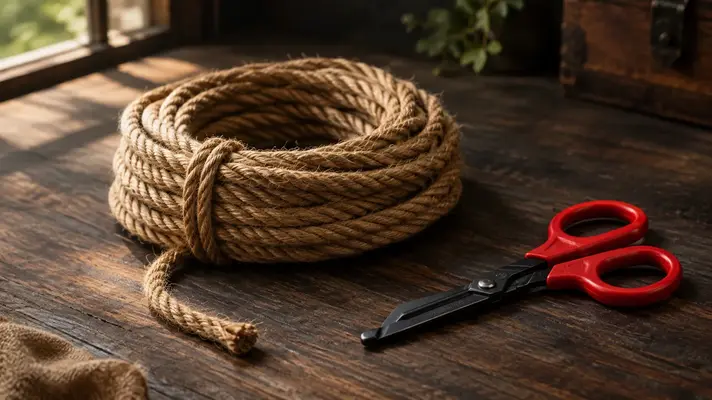
- Keep safety shears within reach. Trauma shears cut rope fast, and every session should have them nearby.
- Never leave a tied person alone. Not even for a minute.
- Avoid the neck. Rope around the throat is a serious hazard, and beginners should skip it entirely.
- Watch the upper arms and wrists. Nerves run close to the surface there, and pressure can cause numbness or lasting damage.
- Check in often. Ask about tingling, coldness, or color changes in the hands.
- Learn before you tie. Workshops and experienced mentors beat video tutorials.
A person who feels numb or tingly should be untied right away. Ignoring those signals is how most rope injuries happen.
Rope Types: What Riggers Actually Use
The material matters more than newcomers expect. The wrong rope can slip, burn skin, or fail to hold a knot.
| Rope Material | Feel | Best For | Downside |
| Jute | Rough, natural grip | Traditional shibari | Sheds fibers, needs conditioning |
| Hemp | Smoother than jute | Long-term durability | Costs more |
| Cotton | Soft, gentle | Beginners, sensitive skin | Stretches, can be bulky |
| Nylon / synthetic | Slick, colorful | Easy cleaning | Knots can slip or tighten |
Most beginners start with soft cotton rope because it is forgiving. Serious practitioners often move to jute or hemp as their skills grow.
Common Myths About Rope Bunnies
The term carries a lot of assumptions, so it helps to clear a few up.
Myth: Rope bunnies are passive. In healthy scenes, the tied partner communicates, negotiates, and shapes the experience. Many experienced bunnies know rope technique better than beginner riggers do.
Myth: It’s always sexual. Some people treat rope as performance art, meditation, or a shared hobby with no sexual element at all.
Myth: Anyone can tie anyone. Tying a stranger without training is dangerous. Reputable communities expect riggers to learn before they practice on other people.
How to Get Started Safely
If the rope bunny meaning has sparked your curiosity, take it slowly. Curiosity is a fine place to start, and rushing is where people get hurt.
Here is a sensible path:
- Read and research from reputable educators and community resources.
- Attend a workshop or local rope meetup, where experienced people can guide you.
- Talk openly with any partner about boundaries before touching a rope.
- Start with simple, low-risk ties, such as basic wrist or torso patterns.
- Debrief afterward. Talk about what felt good and what didn’t.
Frequently Asked Questions
What does rope bunny mean in simple words?
A rope bunny is someone who enjoys being tied with rope, usually in shibari or rope bondage. The term is a friendly community nickname for the person receiving the ties.
Is “rope bunny” an insult?
No. Within rope communities it is a casual, affectionate label, and many people use it about themselves. Context matters, though, so avoid using it about someone who hasn’t chosen it.
What is the difference between a rope bunny and a rigger?
The rigger, or rope top, does the tying. The rope bunny, or rope bottom, is the person being tied. Some people enjoy both roles and switch between them.
Is shibari the same as being a rope bunny?
Shibari is the art of decorative rope tying. Being a rope bunny is a role within it. You can be a rope bunny in shibari, kinbaku, or other rope bondage styles.
Is rope bondage safe?
It can be safe with proper training, clear consent, and good habits, but it carries real risks such as nerve injury. Keeping safety shears close and checking in often reduces those risks.
Do you have to be an adult to explore rope work?
Yes. Rope bondage is an adult activity built on informed, enthusiastic consent.
Can rope work be non-sexual?
Yes. Many practitioners treat it as art, meditation, or a trust-building hobby, and they do it without any sexual element.
Conclusion
The rope bunny meaning comes down to one idea: a person who enjoys being tied, inside a culture built on trust, skill, and consent. The word is light-hearted, but the practice deserves care.
If you take one insider tip from this guide, make it this: the best riggers and the happiest bunnies are the ones who talk the most. Ask questions, learn from real teachers, and stop the moment anything feels off.